AC Components – Evaporator Coils and How They Function In Air Conditioning Equipment

Written by rmharrington. Posted in AC Service AZ, Air Conditioning, Maintenance, Phoenix AC Service

Carrier Air Handler and Evaporator CoilAir Conditioning Evaporator Coils – Tips From the AC&H Phoenix AC Installation Service Center

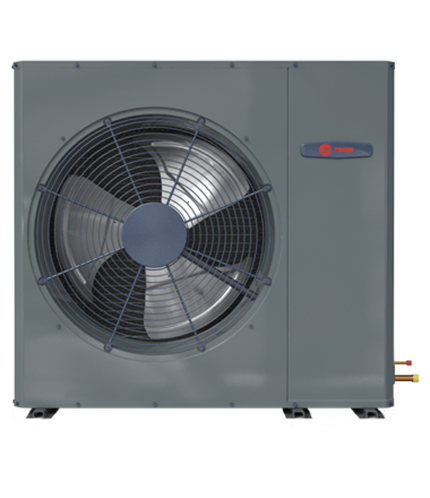
Central air conditioners contain two major cooling components: The Condenser coil and the Evaporator Coil. In the typical system, the condenser is located outside the home or office building. However, the Evaporator coil is normally associated with the furnace component of the air conditioning unit. It is mounted in the junction of the main internal duct system.

Keeping your Mesa or Scottsdale AC system clean and efficient requires yearly inspection and routine maintenance of the functional components, including the condenser and the evaporator coil. Many of the advertised discount HVAC tune-up offers ignore the condition of your evaporator coil. If your current AC inspector and AC tune-up provider fails to open the internal unit, you can bet that they have ignored the importance of a clean evaporator coil.

Ensure that your next Phoenix AC maintenance is performed by a licensed, insured and certified Phoenix air conditioning service center. Contact American Cooling and Heating to schedule a complete AC maintenance service call.

Evaporator Coils and the Split System

The typical central AC system operates as a split system. Thus the unit contains a “hot” side and a “cold” side. The “hot” side is positioned exterior to the home. The “cold” side is in the crawlspace, the attic or sometimes in an internal closet compartment. Core components within each unit section are as follows: 

  • Hot Side – Typically contains the condensing coil, the fan and the compressor, as well as various electrical switches and capacitors
  • Cold Side – Usually consist of a cold coil and an expansion valve, typically assembled as a sub-section of your air handler or furnace system. Home cooling occurs when the air handler forces air through the evaporator coils and then delivers that chilled air throughout your home duct system.

Evaporator Coils – The Process of Home Cooling in Action

Evaporators come in three general configurations: Cased, Uncased and Vertical. Correctly matching the evaporator coil to the specifications of your exact AC unit determines the efficiency and performance of the system. The condenser pipes, evaporator pipes, system ductwork and air handler work together to maximize and evenly distribute the cool air transfer of air throughout your home.

As air from the air handler or furnace passes over the pipes that make up the evaporator coil, heat is absorbed into the pipes. Cooled air is then delivered into the ducting system and distributed throughout the house. Refrigerant within the coils is returned to the external compressor, and then the process starts over again.

Assuming that all systems are evenly matched and working efficiency, the evaporator coil is kept slightly under the dew point but moderately cool. This causes it to condense water vapor from the processed air. The moisture is drained from the system. The cooled area of the home experiences a lower level of humidity.

For further information, read the AC&H detailed heating and cooling glossary.

Phoenix AC Service and Maintenance

Routine system check-ups and maintenance preserve the life of your Mesa air conditioning equipment. Evaporator coils can age, rust or wear down. Proactive system maintenance and upkeep of your Gilbert AC system assures you of efficient system performance, long-term reduction in your energy bill and increased durability of your Phoenix air conditioning equipment.

Homeowners can perform many of the basic heating and cooling maintenance procedures. However, cleaning your evaporator unit and your evaporator coils can result in a damaged system. Don’t make this a do-it-yourself solution without studying the process via a certified training manual.

For quality Phoenix AC installation or services, contact American Cooling and Heating. We are: 

  • Licensed
  • Insured
  • Bonded
  • Trained for the job
  • AND determined to provide superior customer service, including a complete and through heating and cooling maintenance program.

Make sure your home cooling system is performing at maximum capacity. Keep your evaporator coils clean and in peak condition. If the airflow is slow or less cool than it should be, you may need system maintenance right this moment. Call AC&H today. We offer 24-hour same day service.


Aluminum Condensing Coils Vs. Copper Condensing Coils: Advise From Phoenix AC Installation Pros

Written by rmharrington. Posted in AC Installation, AC Repair Mesa, Cooling Tips, Maintenance, Phoenix AC Service

For the Phoenix AC installation industry, the debate concerning aluminum condensing coils versus copper condensing coils could be termed “economic focused.” For the Mesa homeowner, the Scottsdale business owner or any other buyer in need of new air conditioning equipment, the debate hinges on how to get the best quality for the least expenditure.

A Note of Qualification For Arizona Air Conditioning Contractors

If you are a Phoenix air conditioning service center, don’t let the “economics” comment ruffle your feathers. This article comes in via the viewpoint of a buyer. Industry arguments about copper versus aluminum involve many aspects of technology. From the viewpoint of an Arizona AC contractor, economics is only one component of the debate. However, from the viewpoint of the buyer, all contractors have a primarily sales-orientated end goal.

Buyers expect heating and cooling installation and repair dealers to hedge the details. It’s a mindset that comes about due to the competition in the HVAC industry. The pricing, the product favoritism and the value-added sales incentives merely reflect the mindset of new and used car dealers.       

Dedicated To Meet The Needs of Inquiring Valley Metro Homeowners

This article is for the benefit of homeowners and business owners throughout the greater Phoenix, Arizona metropolitan area. As such, the text presents both sides of the argument: Which works best, air conditioning with aluminum condensing coils or air conditioning with copper condensing coils.

Even the information presented via governmental and educational resources tend to be tinted by manufacturer economics. Everyone wants to claim the better heating and cooling solution. It’s just a matter of how to gain marketing share.

Here at American Cooling and Heating we carry all major brands of heating and cooling equipment, including Amana, Carrier and Trane. We handle units that are crafted with copper condensing coils and units manufactured with aluminum condensing coils. Economics may indeed be our purpose for being in business. Without profit, we would fade away.

However, AC&H strives to meet any customer need or demand. Perhaps the following information will help simplify your choice.

Aluminum Condenser Coils – The Beginning

It began in the 1970s when General Electric was still in the HVAC business. All other AC manufacturers provided condensing units with aluminum fins bonded to copper tube. GE wanted to reduce production expenses. This brought about the introduction of coils with aluminum tube and aluminum fins.

For the most part, this was an industrial solution. Prior to 1980, only around 20% of residential structures had installed air conditioning. AC unit components and AC installation expenses rendered air conditioning as a luxury item. Very few homeowners could afford central heating and cooling.

Then the market shifted. Construction boomed. Inflation invaded. Home values increased and the market for home air conditioning bloomed into a lucrative enterprise.

The use of aluminum coils provided GE with a competitive edge. In no long time, other AC manufacturers began to produce their own version of compatible aluminum coil solutions. GE no longer competes in the HVAC business, but the aluminum tube with aluminum fin condensing coil remains a stable market product.

Drawbacks of Using Aluminum AC Coils

The arguments in this matter fall on both sides of the street. Some of the reasoning can be demonstrated scientifically. Some of the reasoning is merely personal dealer favoritism. From a scientific viewpoint, the following statements are true – providing that all tubing measurements are identical between the components:

  • Copper is superior in strength to aluminum
  • Copper is more reliable than aluminum
  • Copper is more durable than aluminum
  • Copper is easier to maintain than aluminum
  • Copper provides better heat transfer characteristics than aluminum
  • Aluminum coils damage easier than copper coils
  • Aluminum coils are more difficult to clean than copper coils.

However, due to the expense of manufacture and an effort to keep up with the reduced unit pricing associated with units that use aluminum tube coils, the manufacturers of copper-based coil systems have resorted to downsizing the thickness of the copper tubing wall. Thus strength, reliability and durability are relative to the actual components used during the air conditioning construction stage.

Field Maintenance is also often listed as another drawback associated with aluminum tube condensing coils. Some Phoenix AC repair companies complain that leaks in aluminum tubes are more difficult to fix than leaks in copper tubes. The argument contends that aluminum coils cannot be repaired in the field. To the homeowner, this means more downtime. To the AC service center, this means additional expenses when dealing with warranty issues.

Unfortunately, the DOE does not provide statistics pertaining to leaky air conditioning coils – aluminum or copper. The rule is simple: If your unit is low on refrigerant, have trained AC technicians repair the leak, test the repair and then recharge the unit to manufacturer recommendations.

Galvanic Action describes leaks that occur when oxygen reaches the condensing coil at the point where the aluminum meets the copper in the condensing unit. The problem is often considered not repairable. Qualifier: More and more AC repair centers now carry welding rigs capable of welding aluminum. Over the years, the aluminum coil repair process has improved and will likely continue to improve in the future.

Drawbacks of Using Copper AC Condensing Coils

In the earlier years of aluminum condensing coils, Arizona AC contractors tended to favor copper tube with fin coils. However, a change over may be taking place. No matter what other arguments are in place, unit cost remains a primary factor in any AC purchase decision. For example:

  • Aluminum coils cost less to manufacture than copper coils
  • Due to pliability, copper coils require more material than aluminum coils (even as much as three times the material); this results in higher manufacturing expenses
  • Galvanic corrosion is common problem with all copper tubing
  • To remain price competitive, new units are shipping with substandard quality coils
  • The thinner the copper, the more difficult it is to repair the coil.

Copper is harder to damage than aluminum, provides better heat transfer and is easier to clean. Modern engineering eliminates the majority of galvanic corrosion. The prices of the units continue to remain considerably higher than AC equipment constructed with aluminum condensing coils. Homeowners question the value of the exchange.

Conclusion

Without collected statistics, fears of leakage and early system failure are difficult to substantiate. All-aluminum coils are more fragile than copper tube coils but manufacturers take care of this issue by protecting the units inside a heavy-duty cabinet. This, of course, results in a system that is harder to clean and maintain.

When area consumers call for AC services and semi-annual system tune-ups, they get often get ripped by vendors who provide a less than necessary clean and inspection process. Most Phoenix AC installation and repair centers do not properly clean the coils.

American Cooling and Heating goes the extra mile. Our Full System AC Maintenance Service includes opening the case, applying special cleaning fluids to the coils and many other value-added AC tune-up functions. If your system is leaking, contact us today. If you need to install new air conditioning in your home, we service Mesa, Gilbert, Scottsdale and most all other Phoenix area homes and businesses.


Montreal Protocol – How The Restriction of R22 Refrigerant Affects Your Phoenix AC Service Needs

Written by rmharrington. Posted in AC Installation, AC Replacement, Air Conditioning Installation, Cooling Tips

As an environmentally conscious Phoenix AC installation center, American Cooling and Heating keeps close tabs on programs designed to provide critical ozone layer protection. This makes compliance with the Montreal Protocol on Substances that Deplete the Ozone Layer a significant component of the AC&H Glendale, Gilbert and other Phoenix area air conditioning services.


A Hole in the Ozone


Ultraviolet (UV) radiation from the sun can harm the earth and the life thereon. However, the dangers are limited by a high-altitude air-shield created as a natural protective resource for life and the abundance thereof on this tiny planet. Technically identified as the stratospheric ozone layer, this air-shield is susceptible to damage due to manufactured human waste products.    


Identified by some scientists, including Nobel prize-winning scientist Paul Crutzen, as a hole in the atmosphere that “marks the worst disaster to hit global environment,” the depletion of the ozone layer is a direct result of man-made chemicals. The initial problem became evident during the mid-1970s. Something was changing, and as scientists began to study the events they noticed that the thickness of the Earth’s ozone layer was decreasing. Additional studies followed. Soon after, plans for correcting the problem began to take shape.


A Multi-Nation Solution to AC Refrigerant and Other ODS Complications


In September of 1985, major changes concerning global efforts to control depletion of the earth’s ozone layer began to take place. Naming a September 16 meeting of the United Nations as the International Day for the Protection of the Ozone Layer, a host of nations came together for the purpose of establishing precise goals for the healing of the hole in the sky.


In September of 1987, the international community came together and signed into effect a joint ozone protection agreement defined as the Montreal Protocol. This established the foundation for precise measures established to ensure the protection of the Earth’s stratospheric ozone layer. As of 2013, 191 countries have participated in meeting the stipulations of the Protocol. By signing the agreement, these nations have committed to the process of phasing out the production and consumption of ozone depleting chemicals.


Hailed among the most successful international treaties ever crafted, the Montreal Protocol extends beyond the original meeting goals by prompting multiple nations to come together as one cooperative entity capable of resolving major environmental issues. In recognition of the significance of this achievement, countries around the world typically assemble to celebrate the signing of the Montreal Protocol.


U.S. Responses to the Terms of the Montreal Protocol


The current U.S. EPA response to the Montreal Protocol reflects a sustained and renewed commitment toward U.S. implementation of the Montreal Protocol on Substances That Deplete the Ozone Layer. The history of associated U.S. regulations begins with the 1990 Clean Air Act (CAA) – modified ‘98 to provide additional provisions and deadlines concerning protection of the Earth’s stratospheric ozone layer.


CAA Amendments define the EPA’s involvement in the development and enforcement of national regulations dedicated to managing ozone-depleting substances (ODS) within U.S. borders. The legal framework of the process is fully defined in Title VI of the CAA instruction codes. As of 2013, the U.S. has met, exceeded and even accelerated the deadline dates as projected under the provisions of the Protocol as well as the CCA instructions.


In summary, the U.S. regulatory program establishes the following goals:


  • Flexible Allowance System – The initial program for the reduction of ODS production and import.
  • Regulated Reclamation and Recycling – A program that ensures emission control of AC refrigerants and other ODS products.
  • Alternative Refrigerant Solutions – The Significant New Alternatives Policy (SNAP) establishes a means for introducing and gaining approval of alternatives to ODS products. Current better than 300 alternative solutions have been approved for consumer and commercial use. The EPA has also approved over 60 industrial alternative products.
  • Forced Management – EPA preventive regulations now ban the release of ozone-depleting refrigerants. During service, maintenance or replacement of AC products, professional air conditioning service centers must collect and properly dispose of all ODS refrigerant fluids. The controls include the management of any form of refrigeration equipment.
  • Product Labeling – New regulations ensure that manufacturers correctly label and product that contains harmful ODS materials.
  • Exemptions – When immediate full-scale alternative ODS products are not yet available the EPA grants temporary product exemptions. The primary list of exempt items includes: CFCs used in medical inhalers, essential fumigant methyl bromide projects and managed ODS inventories awaiting destruction.


The following chart reveals the current and projected status of the U.S. ODS phase-out program:


US ODS Phase Out Schedule


Phoenix AC Installation and the Effects of the Montreal Protocol 


The R22 phase out is already in effect. The year 2020 will bring about cease in the production of R22 refrigerant. In 2010, a ban against the production of new air conditioning equipment requiring R22 refrigerant became law. U.S. homeowners and business owners, including those in Glendale, Scottsdale and other Phoenix areas, will not be forced to upgrade their existing equipment. The refrigerant will remain available for another seven years. However, the cost will continue to rise due to an increase in demand and a decrease in supply.


As a professional Phoenix AC installation and service professional, the team at American Cooling and Heating can help you measure the value of retaining your existing air conditioning systems for yet a few more seasons against the value of investing in a new, environmentally friendly and energy efficient ac unit.


Call to schedule an appointment:

Contact American Cooling and Heating


Cheap AC Units Aren’t Always The Best Choice, Don’t Get Burned This Summer!

Written by American Cooling And Heating. Posted in AC Installation, AC Installation Gilbert AZ, AC Installation Phoenix AZ, Air Conditioning Installation

American Cooling and Heating Announces Reasonable Arizona Regional Alternative To Cheap AC Units

Local Phoenix Air Conditioning Installation Center Offers Compelling Price Incentives To Valley Metro Residents and Businesses Because Cheap AC Units Aren’t Always The Best Choice.

“Our company is built on integrity and quality workmanship. We value reasonable pricing and quality AC installation over cheap services and inferior system components. Every American Cooling and Heating customer receives specialized attention dedicated to meeting the precise air conditioning needs of their home or business,” Management, AC&H.

Battling a Rush of Poor Services and Cheap AC Units in Arizona

As Valley Metro temperatures continue to climb, the demand for local AC replacement will increase. Although the current area weather forecast predicts a slight drop by Friday, desert temperatures of 95-degrees will never be comfortable without the use of efficiently installed Phoenix air conditioning systems. Gilbert and Mesa will fair no better. A possible dip by two additional degrees won’t reduce a single local cooling bill. The heat is on. Local residents must be warned of the risks associated with fly-by-night vendors, shoddy workmanship and obsolete dry-shipped technology.

Customers who know the meaning of dry-shipped or dry-charged air conditioning systems may already be playing into the hands of a cut-rate Glendale AC repair center. R-22 refrigerant, prevalent in older air conditioning units, is under a government-mandated phase out process. By the year 2020, the product will no longer be available to the U.S. air conditioning market place.

However, certain product vendors, as well as a group of cut-rate AC service centers, have discovered a “loop hole” in the R-22 phase out program. New AC units are being shipped dry-charged. This means the unit is shipped less the refrigerant fluids. Dry-shipping air conditioning systems permit dubious dealers to provide homeowners and business owners with a low-cost front-end solution to immediate Scottsdale, Mesa and other Phoenix regional AC installation requirements. The long-term customer expense shows up months later via poor system efficiency, higher costs in maintenance and an eventual forced refrigerant replacement expense.

Quality Air Conditioning In Arizona

Quality AC unit installation must include quality pre and post installation services. AC&H never takes shortcuts – neither does the company mislead customers concerning the values, pros and cons of following any given choice in AC products or installation methods. Competitive AC prices always focus on unit efficiency, correct product-to-requirement match up, and reliable professional system installation.

Five Costs Linked To Quality AC Services In Areas Such As Phoenix, Tempe and Gilbert

Initial Cost of Unit and Unit Installation 
Yearly Maintenance Costs 
Daily Operating Costs 
Repair Costs 
Early Replacement Expenses.

Summer Is Here – Take Advantage of the American Cooling and Heating Alternative To Cheap AC Units

Air conditioning installation is a competitive industry. Although some “installers” view the market as an opportunity to low-ball the competition at the buyers expensive, American Cooling and Heating plans to provide long-term system support for Valley Metro business owners and residents.

The AC&H product line includes top suppliers such as Amana, Carrier, Goodman, Rheem, Trane and other major brands. Areas serviced include Gilbert, Mesa, Phoenix, Scottsdale, Tempe and all neighboring Arizona towns and cities. AC&H technicians are drug tested, licensed and hand trained for residential and commercial AC services.

Valley customers desire reasonable cost savings but no one is looking for “cheap” AC replacement options.

AC&H maintains one of the best reputations in the industry. The company offers expert 24-hour Phoenix AC installation and AC service of Amana, Carrier, Lennox and other top name AC and Heat Pump units. Every AC&H service truck arrives on site fully stocked to service Goodman, Rheem, York or any other major AC system.

American Cooling and Heating prices are reasonable but the company installed AC products and services are never “cheap,” “loop hope focused” or “shovel” installed. Each technician fully understands the factory specs associated with a given manufacturer’s unit. Every completed installation is fully inspected, leak tested and performance tested before being released to the customer.

AC buyers, home or business centered, deserve reasonably priced quality. With American Cooling and Heating, no customer receives a shade-tree solution that is limited to short-term benefits and long-term additional costs. The pricing is upfront, clearly defined and covered by the AC&H commitment to competitive pricing, professional installation and the best factory warranties available.

For More Information please visit: http://www.americancoolingandheating.com/


R-22 Alternatives – Need AC Refrigerant Than Can Keep Up With Phoenix Heat

Written by rmharrington. Posted in AC Installation, AC Installation Phoenix AZ, Cooling Tips

R-22 ReplacementAs a result of national ozone layer protection programs, R-22 AC refrigerant, a hydrochlorofluorocarbons (HCFCs) product, is nearing the final legs of merchandise availability. As of January 1 of 2010, stocking and topping-up with virgin R-22 has been banned. Although the use of reclaimed R-22 is still available up to January 1 of 2015, the pricing for the product lends to greater restraints.

After January 1, 2015, your Phoenix air conditioning installation and AC repair service center will no longer be permitted to stock or top-up your air conditioning system with virgin or reclaimed R-22 AC refrigerant. While homeowners are not being forced to install new AC equipment, they will be required to upgrade to a non-ozone depleting refrigerant.

Unless planning a new and near-future Phoenix AC installation project, any necessary cooling service requirements should involve a switchover to an environmentally safe, cost-effective and readily available modern refrigerant replacement product. The Glendale air conditioning repair and installation experts at American Cooling and Heating provide area residents and business owners with several products capable of dealing with the Phoenix area heat index. For example: R-438A by DuPont performs well against the toughest Arizona heat waves, provides reliable mineral oil compatibility and installs hassle free.

Mounting Pressure Driving the Removal of R-22 Refrigerant Products

 In accordance with the Montreal Protocol on Substances that Deplete the Ozone, all developed countries have agreed to the caps on consumption and production of HCFC products. Although the Montreal Protocol includes various “Critical and Essential Use Exemptions,” home AC refrigerants do not meet any of the phase-out limitations. The supply is drying up. 

In striving to remain current with federal requirements and customer needs, American Cooling and Heating investigates every avenue of R-22 alternative services. Customers need a product that provides the cooling power of R-22, holds up to the Phoenix heat index, and enables technicians to provide a quick and relatively inexpensive change over. It’s a simple rule: Get the R-22 out and install new AC refrigerant efficiently and with the least hassle.

Additional Alternatives to R-22 Refrigerant in Residential Air Conditioning

Eliminate of ozone-depleting substances involves a multitude of options.  Some of the replacement refrigerant products have proven more energy efficient than R-22 refrigerants. By installing the right combination of coolant and equipment, Phoenix homeowners can increase home cooling efficiency by 30% or more. The associated equipment upgrades, such as inverter air conditioning components, can reduce CO2 emissions, boast energy efficiency and decrease the cost of cooling your home.

Along with R-438A, current EPA reviews of R-22 alternatives include: 

  • R-410A      – A mid-range solution that does not deplete the ozone layer but is still      listed as a hydrofluorocarbon that contributes to global warming
  • R-407C      – Listed as an acceptable R-22 substitute in residential AC products but      is not yet available for use in the U.S.

 Don’t Rush, But Avoid the Rush

If your home is running a reliable leak free R-22 solution, you need not rush for immediate system replacement. However, 2015 is just around the corner. Remember: Last minute solutions often involve high-pressure decisions. Tax benefits are still available.

As a recommended Phoenix air conditioning installation center, you can count on the technicians from American Cooling and Heating for clear-cut advise on how to best work these legally required changes into your current heating and cooling needs. Don’t wait for the rush. Now is the time to contact American Cooling and Heating.


Heat Pump Prices – Who Needs a Premium Heat Pump For Their Phoenix AC Installation Project?

Written by rmharrington. Posted in Arizona Heat Pump Air Conditioning, Heat Pumps, Trane, Trane AC Service AZ

With the availability of so different classes for heat pump performance, homeowners may have trouble dividing the line between AC quality and AC pricing. Sales hype can easily conceal the savings associated with value-added Phoenix AC installation services. If not careful, the buyer ends up with an incorrectly installed quality heat pump that performs below the standards of an entry-level air conditioning system.  

Homeowners and even Phoenix business owners can get caught up in the press for premium heat pump installation services versus the value of jumping to the top of the central air conditioning product line. Logo AMC for Phoenix AC installationYet choosing a lower product efficiency class is not always a bad idea. Buyers must always consider the long-term purposes associated with a new AC installation project. 

For example: Unless dealing in a very high profile residential area, most house flippers will install lower end heating and cooling systems. This may not always mean “cheap” but it can mean fewer bells and whistles. Likewise, rental units are typically equipped with lower class heat pumps. And so it is also for homeowners. If you are planning for a near-future housing change – perhaps a shift from Mesa to Scottsdale, why pay top dollar for a Mesa AC installation project only to encounter the same need five years later at your new Scottsdale home. 

The following heat pump price tips along with the associated unit quality classes will help you narrow the playing field. Perhaps you need a premium heat pump for your Phoenix AC installation project or maybe a moderate efficiency system will do just as well. 

AC and Heat Pump Price Comparisons 

The listed ratings and prices in this article consider air source, ducted units. The unit comparisons are top down ranging from most efficient to least efficient. The two primary factors of efficiency include system Seasonal Energy Efficiency Ratio (SEER) and Heating Seasonal Performance Factor (HSPF). Not every Phoenix AC installation company charges the labor rates – neither do they provide the same quality of installation expertise, customer support or service reliability.

The following details focus on Trane as a token of every reliable manufacturer of quality AC or heat pump products. The labor is based upon national averages. The figures reflect heat pump prices. For straight air conditioner systems peel off around $500 to $900 from each system class. 

Ultra Efficiency Trane Heat Pumps 

Ultra efficient Trane systems currently ship in three configurations: 1) XL20i, 2) XL16i and 3) XL15i. These compare to the premium products of other manufacturers such as the Amana, Carrier and Rheem. However, the Carrier Infinity line pushes a higher SEER rating than the upper level Tranes, including a plus four on HSPF ratings. Therefore Carrier Infinity pricing can exceed the Trane Ultra Efficiency pricing by as much as sixty percent. 

Th XL20i rates 19 SEER and 9 or less on HSPF. Average cost for a unit with thermostat and furnace, including system installation runs $8,500 to $16,000 depending on the tonnage of the system. For example: contractor’s wholesale cost for a 2-ton unit is around $5,500 whereas a 5-ton unit will have a contractor’s wholesale cost of nearly $7,000. The average cost for Phoenix AC installation not including any need for new ductwork will come in about 50 to 60 percent of the unit retail cost. However the installation costs of larger units will increase proportionally to need for additional work.  

With these basic understandings of unit prices plus installation pricing, the balance of this price comparison will be brief and without further explanation. 

  • Trane XL16i is rated at 18 SEER with a 9 or less HSPF. Average installed pricing is $8,000 to $14,000. Contractor’s cost for 3-ton unit is $3,800 and $5,300 for a 5-ton system.
  • Trane XL15i rates out at 16 SEER and prices with install come in at $6,000 to $12,000. Standard HSPF can reach as high as 9.  

High Efficiency Heat Pumps Pricing Based On Trane Systems 

Trane XR15 AC UnitTrane high efficiency heat pumps ship in two models: 1) XR15 and 2) XR13. These system fall in line with Carrier’s Performance and Comfort Series. However, the maximum SEER and HSPF of the Performance and Comfort Series are slightly higher than the Trane High Efficiency line. Likewise, the cost of product plus the cost of Phoenix heat pump installation for both Carrier Performance systems and Carrier Comfort systems is a nearer match to pricing of Trane’s Ultra Efficiency systems rather than the Trane High Efficiency system. The Comfort line typically prices out around $1,000 less than the Performance line. 

Back to a focus on Trane High Efficiency units: 

  • Trane XR15 rates at 6.5 SEER. HSPF comes in as high as 9. Unit costs plus installation charges range from $4,500 to $10,000. Wholesale cost of a 2-ton unit w/out air handler is around $1,000. A 4-ton unit with coil and air handler wholesales at around $3,500.
  • Trane XR13 carries a maximum 8.5 HSPF and a SEER rating of 14. Total Phoenix AC installation pricing for unit and service ranges from $3,500 to $8,500. 

Trane Moderate Efficiency Heat Pumps 

Again, there is a distinctive price difference between Trane’s moderate efficiency systems and Carrier’s low-end systems. This is partly due to Carrier’s low-end units supporting a higher SEER rating (16 max) and HSPF rating (9 max). The moderate efficiency Trane system carries a max SEER of 15 and a max HSPF of 8.5. 

The low-end Trane ships in two configurations: 1) XB14 and 2) XB13. The average price for unit with installation can range from $3,000 to $7,500. Compare this to Carrier’s low-end model coming in with a price tag of $2,500 to $12,000. 

  • Trane XB14 runs a max of 15 SEER and 8.5 HSPF
  • Trane XB13 comes in at 14.5 SEER and 8.5 HSPC. 

Closing Notes on Heat Pump Pricing  

Heat pump and air conditioning prices vary by manufacturer, unit size, functional extras and the cost of quality Phoenix AC installation. Before closing any deal, complete the following three checkpoints: 

  1. Get multiple estimates from local contractors
  2. Make a balanced comparison, including differences in SEER ratings, HSPF ratings, product performance extras and the skill and reputation of your installer
  3. Use your ears and eyes to notice the little things that distinguish an experienced heat pump professional from a sales rep. 

Finally, make sure you buy according to your current needs and your long-term future goals.


Cost of Phoenix Air Conditioning Installation

Written by rmharrington. Posted in AC Installation, AC Installation Gilbert AZ, Air Conditioning Installation

Is It Time To Hire A Professional Phoenix Air Conditioning Installation Company?

The April 2013 valley weather forecast for Phoenix AZ and the surrounding areas, such as Meza, Scottsdale and Buckeye predicts temperatures rising toward the mid-90s by mid-month. Chances of precipitation are hanging near 0% and the humidity has already reached 14%. It’s going to be another long, long cooling season.

Perhaps your current AC system is chugging along rather well. On the other hand, you may already have the Internet open to a Yellow Page listing of local Gilbert AC installation providers. Right now the big word in your mind is Cost.Hot to Cold by ACH

Installing new central air conditioning can get expensive. Even on low-priced units, you may have to replace certain supplemental components such as ductwork, internal vents or even the air conditioning and refrigeration (ACR) field services pipe. With each additional component, the cost of materials increases. With each additional component, the price of installation also increases.

Air conditioning service prices vary from state to state and city to city. This article presents an overview of general pricing for the installation of central air conditioning systems. However, the closing statements focus on pricing Phoenix AC installation projects.

Central Air Conditioning Installation Cost: An Overview

Although no two AC installations are exactly alike, many similarities exit. Thus the primary procedures remain constant for all home or small business AC projects. However, the individual processes vary in relationship to pre-existing conditions and building size. For example: Pre-existing forced hot air heating ductwork may eliminate excess installation materials and labor. Whereas installation in a new home will likely require the installation of ducts, ACR pipe and perhaps even some custom landscaping. 

According to the 2010 Bureau of Labor Statistics the median pay for educated, trained and qualified heating, AC and refrigeration mechanics and installers hovered around $20.50 per hour. When dealing with companies that promote quality services above discount pricing, expect that they will also be paying for the top skilled, field technicians. Yet you must always remember that up-front pricing for quality work always come back in lifetime savings.

AC installation is not a DIY project. It requires special equipment and should be installed according to industry standards as developed by the US Energy Conservation department. On a national average, installing a central air conditioning unit will range from $2650 up to $15000 plus.

Your Gilbert area AC contractor should adhere to the following cooling unit installation standards: 

  • Install a doorway for access to the evaporator coil for cleaning and maintenance
  • Ensure adequate space for the indoor components of installation, maintenance and system repair
  • Use efficient duct-sizing methodology
  • Whenever possible, avoid installing ductwork in the attic
  • Use proper duct sealing methods, including heaver insulation for attic ducts
  • Right-counts the register and return air requirements
  • Ensures that airflow to condensing units are not hindered by nearby objects
  • Positions the external unit for best performance, best noise control and best safety practices
  • Uses an exact refrigerant charge.

Breaking Out the Specifics of Costs

The pricing for a new central air condition installation includes 4 primary points of payment: 

  1. Contractor – Oversees the entire project
  2. Subcontractor – Provides any necessary sub-licensed services
  3. Labor – Cleanup detail and technician assistance
  4. Materials – Ranging from the primary unit to the necessary recovering machine.

Phoenix Area Pricing For Central Air Conditioning Installation

Pricing the exact cost for installing AC in any given home must be based upon critical details as listed above. However, Phoenix prices typically run a bit below the national average. For example: A 16-SEER, 4-ton indoor and outdoor Meza AC installation would touch on $9000. But when pricing for your home or business, you can’t go by unit size and SEER ratings alone.

You don’t want a unit that is too small or a unit that is too large. Make certain that your Phoenix AC Installation Professional is licensed, insured, bonded and up-to-date on current AC sizing practices. Doing things right can help you save as much as thirty percent on your yearly cooling bill. You need an AC contractor who wants to do the job right, knows how to do the job right and cares enough about customer satisfaction to ensure that the job is done right.

For fast, 24-hour air conditioning and heat pump installation and services, call American Cooling and Heating today.


The Rising Price of R-22 Refrigerant: Not The Only Reason You Should Replace Your Outdated Air Conditioning System

Written by rmharrington. Posted in AC Installation, AC Service Mesa, Air Conditioning Installation

Around this time of year, Phoenix area residents and businesses start receiving flyers pertaining to Glendale, Scottsdale and Mesa air conditioning installation services. Many of these papers will mention the rising price and scarcity of R-22 refrigerant. Sometimes such sales literature can trigger memories – memories of last year’s amplified cooling bill or how hot it got in spite of the labors of your aged central AC system or of how much it costs for Freon replacement in that leaky upstairs unit.

For many homeowners, the memories will trigger action. Some will make a phone call. Others, with all good intentions of follow-up, will slip the flyer on top the stack in a bedroom vanity whatnot shelf. Perhaps you will keep it closer by adding it to the pile of future-reads that you keep near the computer desk. In either event thrifty homeowners recognize the truths relayed via the flyer. If your AC is over ten years old, there is good reason for making contact with a Phoenix AC installation professional.

Right now that ancient Phoenix sky may be overcast and that blazing afternoon sun isn’t baking your roof and steaming the inside of your Glendale home. Government restrictions concerning the production of Freon (R-22 refrigerant) haven’t yet forced you to take advantage of energy-efficient air conditioning technologies now offer by Amana, Carrier and other top brand designers of heating and cooling equipment. And perhaps thoughts of making it just one more season hinder your response to a change that may be much more valuable than you think.

Here are a few reasons why the rising price of Freon should not be your only decision-making measuring stick. 

Prices Just Keep On Rising

U.S. government plans to phase out ozone depleting chemicals such as R-22 refrigerant are right on schedule. Over the last six months, Freon prices have climbed at an unprecedented speed. Production is on the decrease; panic buying is on the increase. The price of R-22 refrigerant is up by four times what it was just six months ago.

The push for settling the issue is near its end. By 2015, the government expects and demands a 90% reduction in the production of Freon. Meantime, the price of the replacement product, R410a, continues to drop. In the end result, Freon will cease to be available. Air conditioners installed before 2010 will experience Freon shortages, increased repair costs and the certainty of a future forced-replacement of the cooling system.

New Energy Standards and Increased Comfort at a Lower Cost

Ok. You don’t like Uncle Sam forcing your hand. No one does. But for the moment, why not lay the Freon issue aside. Here is an even better reason for calling in a Phoenix AC installation expert: 

  • Cost Effectiveness.

The best investments are often the most costly. Modern AC technology includes energy-efficient solutions designed to reduce your cooling cost, increase your personal at-home comfort level, and help protect the environment even when the systems are operating.

Here is an example from the extreme side of how new air conditioning technology can reduce energy expenses. According to the National Renewable Energy Laboratory (NREL) a new DEVAP air conditioner process designed to combine desiccant-based dehumidification with indirect evaporative cooling can actually reduce the cost of industrial cooling by up to 81%. According to the project managers, even areas with dry climates such as Phoenix Arizona can benefit from the power of this new technology.

For now, DEVAP may not yet be an option for Phoenix homeowners. Yet the very technology that brings it into play is already working on your behalf. Using the free energy savings calculator available via the U.S. Small Business Administration, here is an example of what a Phoenix homeowner can save by installing an energy efficient central AC system. The following figures are based upon installing a new 2.5 ton 13.0 SEER energy efficient system.

Energy Ratings for AC Installation

In the summary, the bottom line relates to a percentage of the retail purchase price of the unit itself. The life-cycle energy savings amounts to nearly 25,000 KWh of electrical costs. The Net life-cycle savings pump out at $1,768. The value of the investment is obvious. 

Other Considerations

1) Avoid “dry charged” R-22 units. Although the original costs of such discount units may come in cheaper than an energy-star air conditioning system, they are not compliant with the regulations that demand forced upgrade to R-410a systems 

2) Slow leaks can develop in R-410a air conditioners as well as in R-22 refrigerant units, however the time is near when Freon just won’t be available. In the meanwhile, that yearly R-22 recharge is costing more and more.

3) Add ceiling fans to your home. Moving air tends to cool better than stale air. A few well-placed ceiling fans provide a low-cost reduction to your energy bill.

American Cooling and Heating

As a Phoenix AC installation professional, American Cooling and Heating is licensed, bonded and insured for residential, commercial and industrial HVAC and refrigeration services in the following areas: 

  • Glendale
  • Mesa
  • Scotsdale
  • And other Phoenix areas.

Accredition includes:

  • NATE
  • ACCA
  • And the Arizona BBB.

The quality of our heating and cooling services and workmanship is 100% guaranteed. Triple digit temperatures in the valley do not condemn you to eternal triple digit utility bills. Call today.


Central AC Comparisons Are Not The Most Important Component of Air Conditioning Your Phoenix Home

Written by rmharrington. Posted in AC Installation Phoenix AZ, AC Replacement, Air Conditioning Installation

Guaranteed AC SatisficationBefore pricing a new air conditioning system for your home or business, your Glendale AC Installation specialists must perform three primary steps. First, he or she will visit your site, take measurements concerning heating and cooling floor space, and then examine the current condition of your HVAC ductwork and structural layout. Second, he or she will discuss with you the specifics of AC installation, your expectations concerning enhanced indoor air quality, and any possibilities concerning future structural expansions. Lastly, your Phoenix area heating and air conditioning professional will get down to system specifics.

Measuring Central AC Performance

Aside from personal experience, no company can specifically class one brand of central cooling system as better than another. Amana, Carrier, Goodman, Rheem or Trane all provide quality heating and cooling products in both mid-range and high-performance categories. These same companies also provide enhanced units regulated by more energy-efficient control systems, advanced air-filtration systems and customized AC technology.

The performance of any local central air conditioning system is enhanced or hindered by: 

  • The size and structural condition of your home or business
  • The state-of-maintenance and sizing of existing ductwork
  • The climate in and around Phoenix
  • And any additional loads that may come to bear upon the unit.  

This makes accurate comparative AC testing nearly impossible. Each situation must be assessed according to site-specific conditions.

Green Living AC Comparisons

Some AC comparison issues focus on green living. As a recognized performance-efficiency Phoenix AC repair and installation expert, your American Cooling and Heating representative may also suggest certain central air models based upon current Green Building Resource Guides. But you must remember that too great a focus on energy efficient central air systems can reflect the same consequences as a hybrid car. Without the proper balance of all components of the problem, going “super” green may actually cause you to lose money.

It’s really quiet simple: If replacing an older and less efficient AC, you come out a saver. Yet upgrading merely for the sake of going green is not necessarily a winning situation. The U.S. government provides access to SEER (Seasonal Energy-Efficiency Rating) for all makes and models of central air conditioning systems. This makes for a reliable comparative indicator of expected service and efficiency. But this addresses the expectations of the unit rather than the overall specific benefits to the homeowner or the business owner. 

Reputable AC Installation Centers 

Hiring a reputable Glendale air conditioning installation specialist proves to be the best path to selecting a reliable, energy-efficient and dependable central air system. This does not mean that your Phoenix area American Cooling and Heating representative would avoid suggesting a particular brand as the ideal solution for your home or business. A current model of Carrier may offer some minor distinctions that make it a bit more “perfect” for your individual heating and cooling needs. Likewise, Amana may, at the moment of discussion, offer better pricing than a comparable Trane AC system. Or perhaps the current Trane warranty provides a temporary bonus over Carrier. Informing you of such details is the job and the duty of your AC&H service professional.

So how do you compare Phoenix air conditioning service centers? Look for one that provides free estimates, arrives on time and knows the answers to the following questions: 

  • Can I save any money by upgrading the insulation in my home or office?
  • How can I benefit from the present Congressional “fiscal cliff” tax credits?
  • Why are some of your service prices higher or lower than other estimates I have received?
  • Am I comparing apples to apples?
  • What is the CAZ test and how does it affect the efficiency of my central heating and cooling system?
  • Which air filter is best for my purposed system?
  • What does the new “Regional Standards” concept have to do with my cooling expenses?
  • Should I be worried about formicary corrosion?
  • What does ASHRAE Standard 62.2 have to do with indoor air quality and does it pertain to me?
  • What does Testing and Balancing have to do with installing air conditioning systems?
  • Should I be concerned about carbon monoxide?
  • Does air filtration really make a difference?
  • Why is moisture control so important to the cost of heating and cooling?
  • Do I need to worry about any mold issues?
  • Does preventive maintenance really increase my savings, and do you offer a preventive maintenance program?
  • After the install, what can I do to help reduce the energy costs without loosing comfort?
  • Why are you suggesting this particular brand, model and SEER rating?

Quality installation is even more important than the quality of the installed AC unit. Rather than being associated with defective components and short-lived parts, most early-life problems with air conditioning systems can be directly back-traced to shoddy installation workmanship. Before buying your Phoenix central air system, contract a skilled and experienced contractor, one who really cares about reputation and customer service. Contact American Cooling and Heating.


Cashing In On 2013 Tax Credit Rebates For Phoenix AC Installation

Written by rmharrington. Posted in AC Installation, Air Conditioning

2013 Tax Credit for AC InstallationAlthough your air conditioning unit may have to work harder due to extreme temperatures and extended summers, the cost of a Phoenix AC installation compares well with the national average. No matter where you live, the installation price for cooling services always boils down to unit size, quality of the purchased unit and any special circumstances concerning the layout and needs of your home.  

Without having the full details of your home or business, including size of structure, age of structure and other critical data, it is impossible to provide exact AC installation pricing. However, the average costs to install a central air conditioner can range from $2,500 to $15,000. In Phoenix, the typical costs a bit below average, ranging from $2,000 to $11,000. For personal reference, consider $9,000 a ballpark figure for a 4-ton indoor and outdoor 16-seer electric system, installed.  

The cost breakout works as follows: 

  • Contractor – Deals with the primary assessment of the home and with the overseeing of the AC installation process
  • Subcontractor – Performs any special services (electrical wiring, custom ductwork and such) for which the contractor is not licensed
  • Labor – Available for assisting the contractor and subcontractor
  • Material – Additional components and tools such as AC refrigerant, recovery machine, new ductwork, clamps and more
  • Tonnage of the unit – Depends upon the size of the structure, number of windows, quality of the insulation and other factors.

American Cooling and Heating is a fully qualified Phoenix AC contractor, equipped to handle every detail of the installation, including any tasks that would normally be assigned to a subcontractor. This assures that your home or business air conditioning project receives personal services from start to finish. 

Reducing the Overall Expenses

You can reduce the costs of AC installation in several ways. It starts by choosing a reputable Phoenix air conditioning installation professional. When searching for a company to handle your heating and cooling needs, demand knowledgeable technicians with the skill to do the job right the first time every time. Avoid any pricing scheme that falls too far below the national average. And remember: A poorly installed AC unit may save funds on the front-end but result in multiple hidden costs that only show up during normal system operation and maintenance.

The best costs savings involve five primary points: 

  • Size the central AC unit correctly
  • Stick with a full-service heating and cooling professional
  • Make sure the unit is installed correctly
  • Take advantage of seasonal discounts
  • Claim you 2013 Tax Credit Rebate. 

Claiming the 2013 Tax Credit Rebate

It was New Year’s Day when Congress approved reinstatement of several popular tax breaks. Both individuals and small businesses benefit from the legislative package. One extension, the “25C Tax Credit”, involves returns for homeowners who install energy efficient appliances in existing homes.

On January 2, 2013 the presiding President of the U.S.A. signed that legislation into law. Here is a partial listing of products include in the details of the plan: 

  • HVAC Components
  • Insulation
  • Home Roofing, Including Metal & Asphalt Materials
  • Non-Solar Water Heaters
  • Doors and Windows.

The credit, set at 10% of costs up to $500, expires on December 31, 2013. Specific energy efficiency levels apply. To get full details and to understand exactly how this program can reduce Phoenix air conditioning installation expenses, view the materials posted at the Database of State Incentives for Renewable & Efficiency (DSIRE).

If you need further help, the experts at Phoenix AC installer American Cooling and Heating can be reached at: (602) 734-5422. Get AC repair, AC replacement, and a choice from popular brands such as Amana, Carrier, Lennox and Trane. Skilled technicians are on hand now to answer your call.


Fast Air Conditioning Service 24-7

bbb accredited

All Credit Cards Accepted